Global health physician-epidemiologist
Protecting the medicines that protect us.
Antimicrobial resistance and emerging infections are unfolding in our hospitals, farms and neighbourhoods. I work across medicine, epidemiology and social science to understand how these threats evolve, and to turn that understanding into action.
- Positions
- Lecturer, Public and Community Health Programs, Dodge Family College of Arts and Sciences, University of OklahomaEditor-in-Chief, BMC Primary Care and BMC Health Services Research
- Profiles
- Nonprofit
- STOP AMR, Founder and Executive Director
About
My questions come from three places: the bedside, the field site and the policy table.
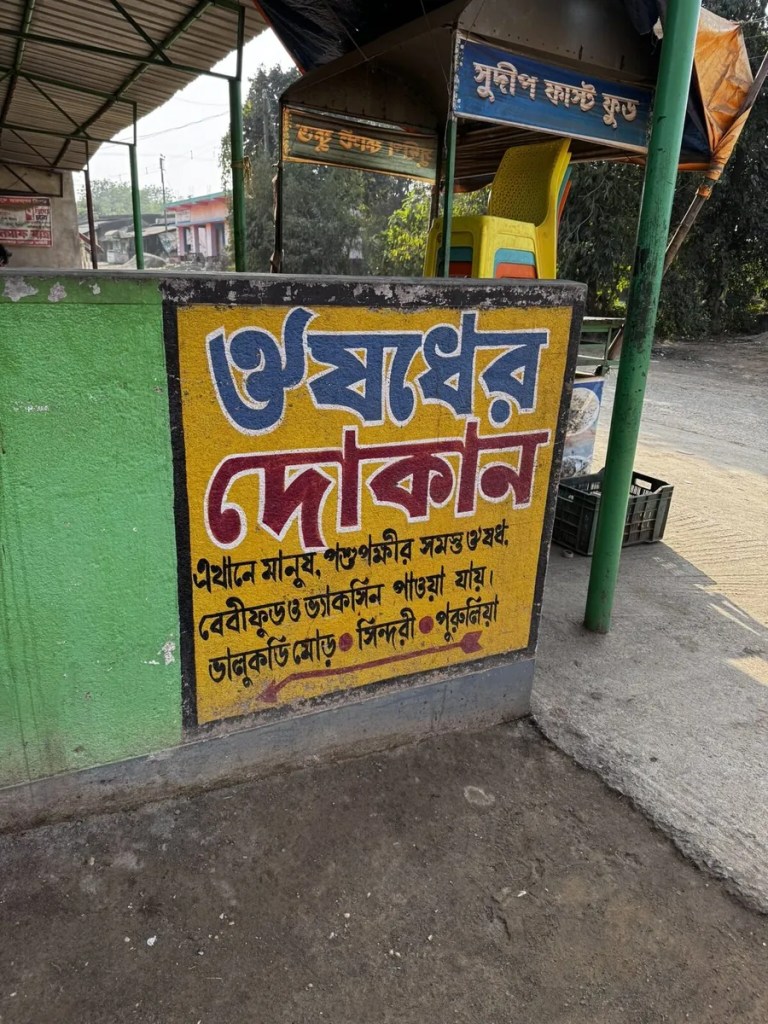
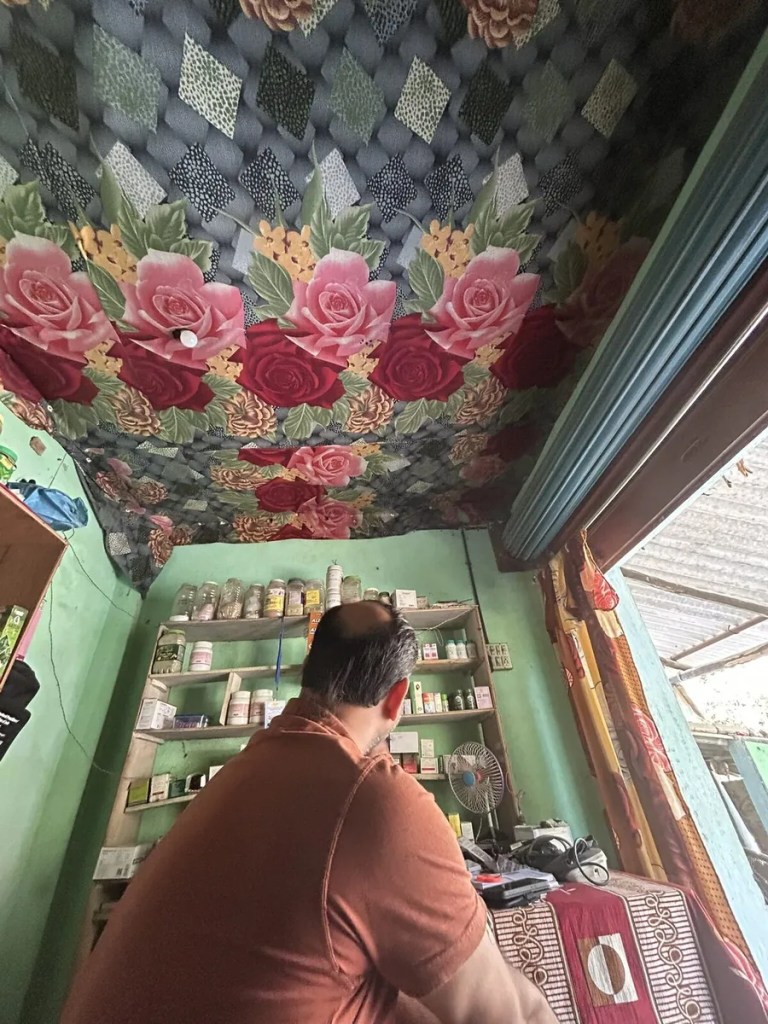
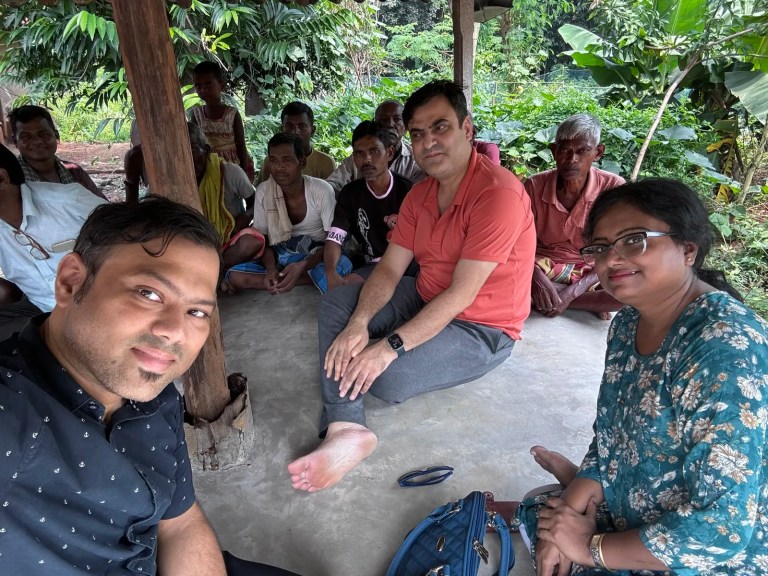
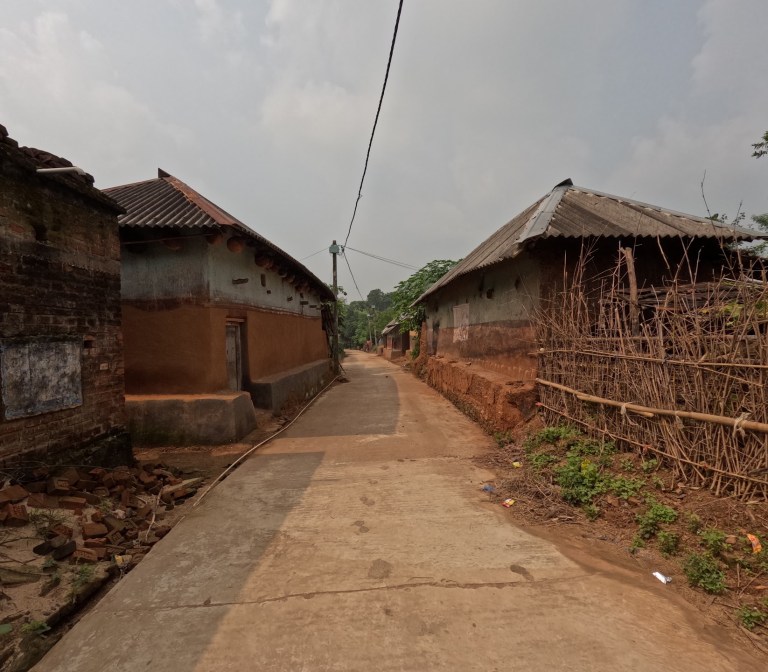
I trained and practised as a clinician in Kolkata and New Delhi, in India, first in critical care and anaesthesiology, then in preventive and community medicine. Fieldwork has since taken me across India: antibiotic use among caregivers and smallholder dairy farmers in rural West Bengala, enteric fever and cholera surveillance, water and sanitation exposure in urban slums, and zoonotic risk where people, animals and cities meet.
As a scientist at ICMR-NICED in Kolkata I co-led a phase IV rotavirus vaccine trialb whose evidence supported national scale-up. During COVID-19 I ran the secretariat of India’s National Task Forcec at ICMR, contributing rapid evidence synthesis, the PLACID trial and the first national serosurvey. Earlier, I drafted background evidence for India’s National Action Plan on AMR and built evaluation instruments now used across WHO SEARO.
- 2025
- PhD, International Health, Epidemiology, Johns Hopkins Bloomberg School of Public Healthd
- 2019
- DTM&H, Royal College of Physicians, London
- 2015
- MD, Community Medicine, University College of Medical Sciences, New Delhi
- 2010
- MBBS, Medical College and Hospitals, Kolkata
Research
Research, from measuring a problem to scaling a solution
My projects fall into three streams. Most of the work starts with measurement in the field, and the best of it ends in policy.
Selected work
Dissertation assistant
Ask my dissertation a question
An assistant restricted to two sources: my dissertation and its analytic memos. It reproduces quantitative results exactly, cites the section, and does not speculate or browse the web.
Open the assistantSTOP AMR
Protecting antibiotics is not only a scientific goal. It is a moral one.
STOP AMR is a 501(c)(3) nonprofit I founded in 2024. It works with communities to reduce the harm of antimicrobial resistance through education, advocacy and locally owned action.
- Vision
- A world where communities thrive free from the threat of antimicrobial resistance.
- Mission
- To work with communities in India and worldwide to reduce the impact of antimicrobial resistance through education, advocacy and practical solutions that promote responsible antimicrobial use and better access to appropriate treatment.
Selected publications
- 2022Kanungo S, Chatterjee P, Bavdekar A, Murhekar M, Babji S, et al. Safety and immunogenicity of the Rotavac and Rotasiil rotavirus vaccines administered in an interchangeable dosing schedule among healthy Indian infants: a multicentre, open-label, randomised, controlled, phase 4, non-inferiority trial. Lancet Infect Dis.
- 2022Konopka JK, Chatterjee P, LaMontagne C, Brown J. Environmental impacts of mass drug administration programs: exposures, risks, and mitigation of antimicrobial resistance. Infect Dis Poverty.
- 2021Chatterjee P, Nair P, Chersich M, Terefe Y, Chauhan AS, Quesada F, Simpson G. One Health, “Disease X” and the challenge of “unknown” unknowns. Indian J Med Res.
- 2021Kanungo S, Chatterjee P, Saha J, Pan T, Chakrabarty ND, Dutta S. Water, sanitation, and hygiene practices in urban slums of Eastern India. J Infect Dis.
- 2021Bhaumik S, Chatterjee P. Going beyond access to health information: a pandemic call to action. BMJ Glob Health.
- 2020Chatterjee P, Kanungo S, Bhattacharya SK, Dutta S. Mapping cholera outbreaks and antibiotic resistant Vibrio cholerae in India: an assessment of existing data and a scoping review of the literature. Vaccine.
Teaching and policy
Evidence is only useful once it is taught and used.
Contact
Always glad to talk about One Health, AMR and emerging infections.
pranab.chatterjee@stopamr.org